Formula 1 is set to overhaul key elements of its 2026 power unit regulations for the 2027 season. Following an online meeting on Friday attended by Team Principals, Formula One Management, power unit manufacturer representatives, and the FIA, stakeholders agreed in principle to introduce evolutionary changes to the hardware components, which will shift the balance of power between the Internal Combustion Engine and the Energy Recovery System.
The proposals include a nominal increase in ICE power of approximately 50 kilowatts alongside a fuel-flow increase, paired with a nominal reduction in ERS deployment power of approximately 50 kilowatts. The move directly addresses one of the central criticisms driving the ongoing F1 2026 regulations problems, which drivers and teams have flagged throughout the opening rounds of the season.
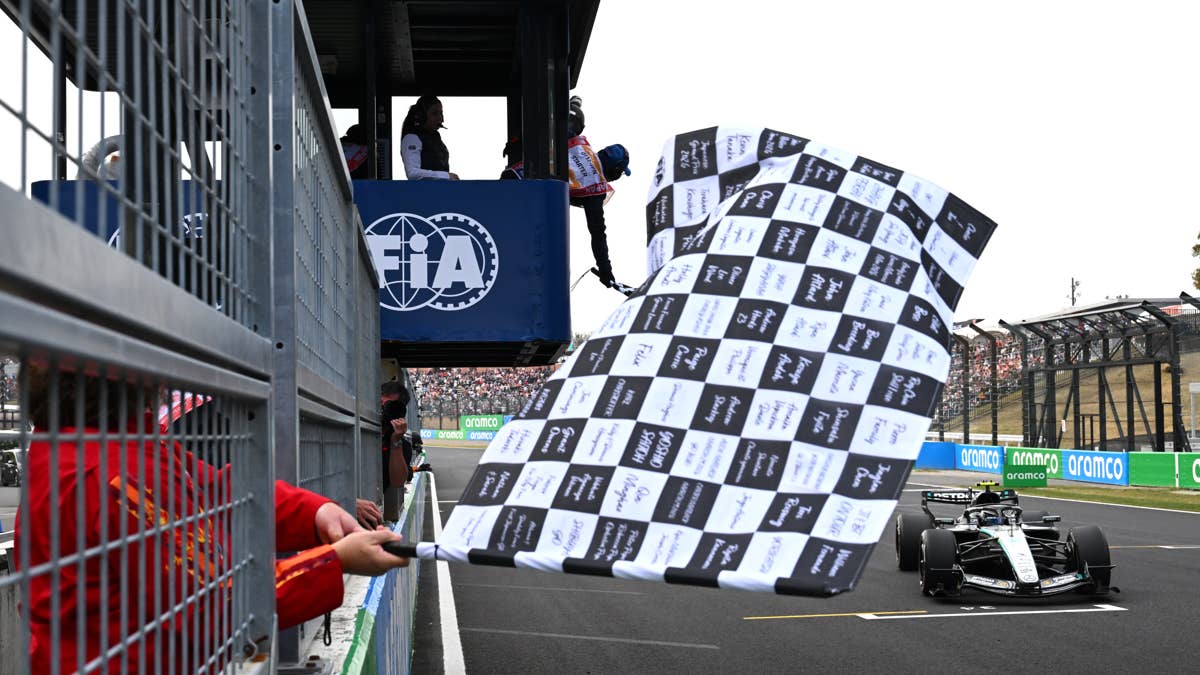
Marshals hold a ‘Start Delayed’ sign during the 2026 F1 Japanese Grand Prix. Photo by Marcel van Dorst/EYE4IMAGES/NurPhoto via Getty Images
The meeting also served as a review of the regulation changes introduced at the Miami Grand Prix, with further adjustments still to come.
Miami Regulation Changes Deemed a Success
“These measures, designed to improve safety and reduce excessive harvesting, were deemed to have delivered improved competition and represent a positive step in the continued refinement of the 2026 framework,” read an FIA statement issued following the meeting. The FIA confirmed that “no material issues or safety concerns” had been noted following their introduction.
Lando Norris leads Oscar Piastri on track during the 2026 F1 Miami Grand Prix Sprint.Photo by Mark Thompson/Getty Images
Further evaluation of the Miami package is ongoing, with additional adjustments relating to improved start safety and wet weather conditions set to be communicated to teams once finalized.

What Was Agreed for the Future
The final proposals for the 2027 F1 regulations changes were developed through a series of consultations between the FIA and multiple stakeholders, including direct input from the drivers over recent weeks. Further detailed discussions in technical groups, comprising teams and power unit manufacturers, will take place before the final package is confirmed.
The next formal step will be to present the agreed changes for a World Motor Sport Council e-vote, followed by a separate vote involving the power unit manufacturers, before the measures can be officially adopted.
This story was originally published by Athlon Sports on May 9, 2026, where it first appeared in the Racing section. Add Athlon Sports as a Preferred Source by clicking here.