FIFA has set out to squeeze every last breadcrumb of value out of the 2026 World Cup by jacking up prices on just about everything: transportation, hospitality, and even the prices of the tickets themselves. The hope has been that, just like every other aspect of American life over the last decade, the American appetite for consumption is so great that it will bear every cost increase, no matter how drastic.
There are two problems with this. The first is that, unfortunately for us Americans who actually care about soccer, the vast majority of the country does not. At least not more than a novelty; certainly not enough to spend $1,000+ on tickets. The second problem is that there are people out there, from this place called “The World,” who have not been inoculated against American levels of price-gouging, and who can choose to stay home or go to one of the other host countries.
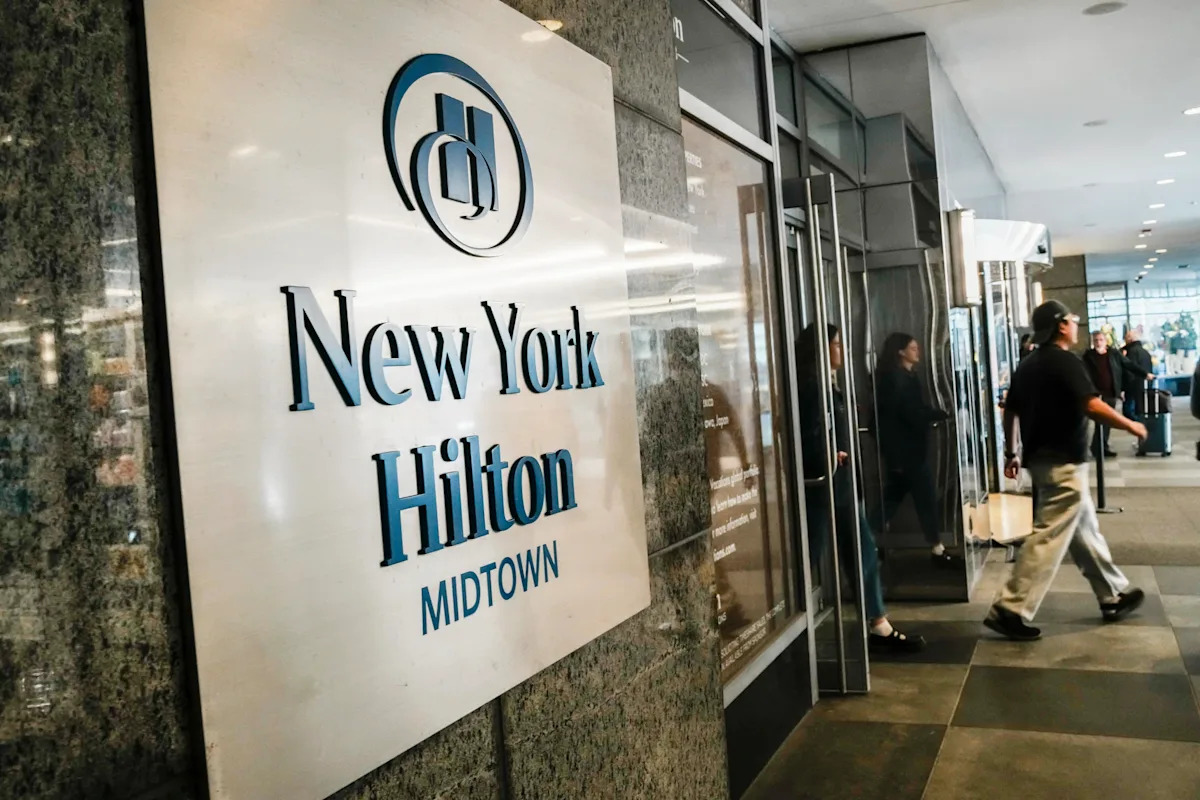
As a result, hotel bookings for the World Cup host cities are much lower than expected. According to a report by the American Hotel and Lodging Association, every single city except for Atlanta and Miami reports a majority of hotels falling short of their forecasted summer bookings. According to the report, bookings are particularly low in Boston, Philadelphia, San Francisco, and Seattle, with some calling the World Cup a “non-event” in terms of its impact on business.
Ultimately, I’m sure there will be enough rich people around the world to make this World Cup a “financial” success, but for the average soccer fan, it is a catastrophe. There’s a story in the New York Times about Argentine fans who are going to drastic levels, packing themselves into hotels like sardines, to be able to afford a trip to the U.S.A. If FIFA had the capacity for embarrassment, I would say they should be embarrassed. Instead, I think they’ll be too busy enjoying the windfall to notice.