Before heading to the Far East, Juventus will take on FC Basel in what should be their first real pre-season test.
This is already shaping up to be a busy summer for the Serie A giants, not only on the transfer market, but also on the pitch.
In recent weeks, the Bianconeri announced upcoming friendlies in the Far East, beginning with Chelsea in Hong Kong, followed by back-to-back games against fellow Italian clubs, Inter and Palermo.
Juventus will place Basel in a friendly on July 18
Since the Asian/Oceanian tour will begin in early August, Juventus found room for a quick trip to Switzerland.
The club’s official website confirmed that Luciano Spalletti’s men will play Basel in a friendly hosted by the Swiss club on July 18.
“The Juventus Men’s First Team’s pre-season schedule has another international date being added! Before kicking off the 2026 Summer Tour powered by Jeep between Hong Kong, China, and Perth, Australia, the Bianconeri will also stop off in Switzerland for a friendly match,” reads the official note.
“Basel will be the opponents in a game scheduled for Saturday, July 18, 2026, at 15:30 CEST. This will mark the first time the two teams have faced off at St. Jakob-Park since last meeting in the Champions League 23 years ago in March 2003.”
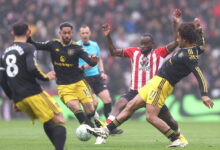

“The match will precede the Bianconeri’s departure for Asia, where pre-season preparations will continue against Chelsea in Hong Kong, and subsequent fixtures in Perth against Inter and Palermo, respectively.
“Ticketing information for away Juventus fans travelling to Basel will be communicated at a later date here on Juventus’ official website.”
A Chance for the new generation?
This game will take place in the early stages of the pre-season, so several players may not be available at the time, particularly those who are set to compete in the World Cup.
In fact, this friendly will ensue just one day before the international tournament’s final (July 19).
Therefore, it should represent an opportunity for Spalletti to test some of the young Juventus Next Gen players who will be hoping to carve out a place in the first team.