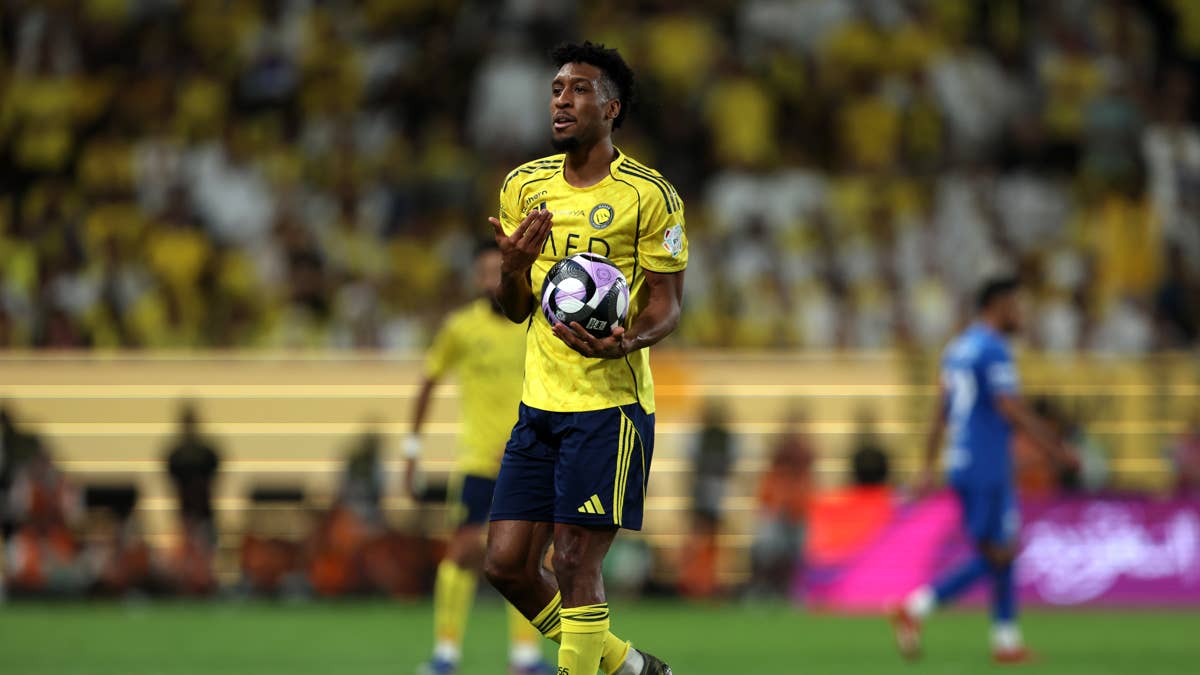
Al Nassr take on Gamba Osaka tonight in the AFC Champions League Two final on 16 May 2026, with the Saudi side hoping to end the season with an important trophy.
The final is also a big moment for Cristiano Ronaldo, who is looking to win his first title since joining Al Nassr.
Cristiano Ronaldo has scored 28 goals for Al Nassr across all competitions this season, but the club is still waiting for its first major trophy with him in the squad.
Meanwhile their opponents Gamba Osaka, are one of the most successful clubs in the J.League and previously won the AFC Champions League in 2008.
Osaka are known for their disciplined football and quick attacking play, and they will be hoping to upset Al Nassr in the final.
Gamba Osaka had a longer path to the final, playing two more matches than their opponents winning 9 of their 12 games and losing only
Why is Kingsley Coman Not Playing the AFC Champions League Two Final?
Kingsley Coman has been dealing with an injury ahead of tonight’s match against Gamba Osaka.
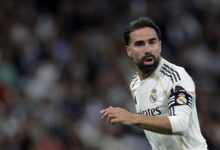

Coman was left out of Al Nassr’s starting lineup for the AFC Champions League Two final against Gamba Osaka after recent reports stated that he had been dealing with an injury ahead of the match.
Al Nassr FC Players group photo during the Saudi Pro League game between Al Nassr and Al Najmah.Photo by Abdullah Ahmed/Getty Images
According to reports from Arriyadiyah, several Al Nassr players were absent from training before the final and instead continued their recovery work at the club’s medical center.
“The injured group included Marcelo Brozovic, Angelo, Abdullah Al Khaibari, Abdulelah Al Amri, and Kingsley Coman.”
Coman has been an important player for Al Nassr this season, scoring 9 goals and providing 11 assists for the team in the Saudi Pro League during the 2025-26 campaign, making him one of the team’s key attacking players.
Al Nassr Lineup: Bento; Boushal, Simakan, Iñigo, Ayman; Alhassan, Saad; Ghareeb, Mané, João Félix; Ronaldo.
Gamba Osaka Lineup: Araki; Miura, Kishimoto, Nakatani, Hatsuse; Suzuki, Mito; Meshino, Jebali, Yamashita; Hümmet.
This story was originally published by Athlon Sports on May 16, 2026, where it first appeared in the Soccer section. Add Athlon Sports as a Preferred Source by clicking here.