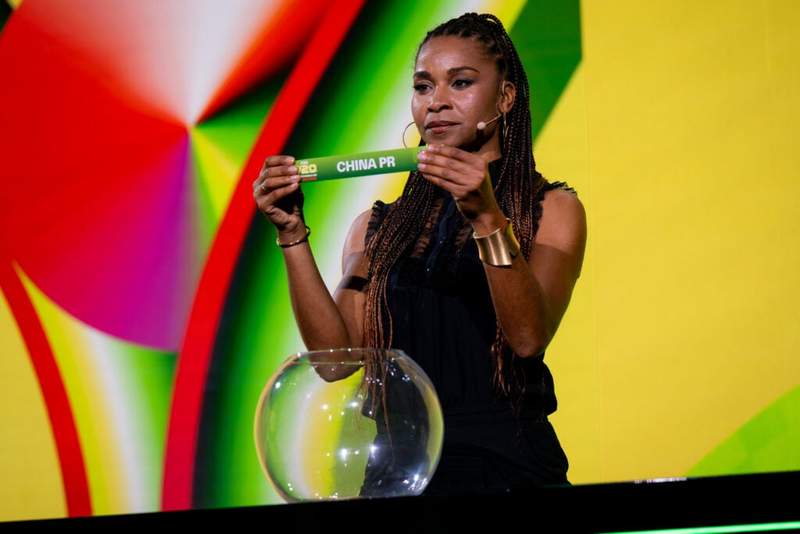
FIFA reportedly took a major hit on its China broadcast deal just weeks before the 2026 World Cup.
The issue was not whether the tournament mattered in China. It was whether FIFA had enough leverage to get anything close to its original asking price.
In the end, the reported gap between what FIFA wanted and what it accepted showed how difficult the Chinese rights market had become.
Photo credit should read CFOTO/Future Publishing via Getty Images
FIFA’s China World Cup deal lands far below asking price
As Polymarket Sport noted, FIFA reportedly settled for a far smaller China broadcast deal than it initially wanted.
“FIFA has settled on a broadcasting deal with China for $60M just 27 days out from the tournament. FIFA originally wanted $300M for the deal,” it was reported.
That would put the shortfall at roughly $240 million from FIFA’s reported target.


China Media Group, the parent company of CCTV, secured the rights after long negotiations. The deal ensured the World Cup would be shown in China and avoided the embarrassment of a major market blackout so close to kickoff.
But the timing also made FIFA’s weakened position obvious. With less than a month left, walking away from the Chinese market was not realistic.
China’s leverage forced FIFA into a cheaper deal
The biggest reason FIFA lost leverage was the structure of the Chinese broadcast market. China Media Group had no real bidding rival, so FIFA could not create a competitive auction.
The 2026 World Cup being hosted in North America also hurt the value. Many matches fall in awkward early-morning hours for Chinese viewers, making them less attractive for advertisers.
China’s national team also failed to qualify, which reduced local excitement and weakened the commercial case for a huge rights fee.
The broader sports-rights market in China has cooled as well, with broadcasters less willing to pay inflated prices for international events.
That combination left FIFA with a difficult choice: accept a much lower number or risk not having a broadcast agreement in one of the world’s largest media markets.
The final deal may have solved the immediate problem, but it also showed that FIFA’s World Cup rights cannot keep rising everywhere without resistance.
Read more:
-
Why Rob Gronkowski blames NFL for lack of talent in USMNT ahead of 2026 FIFA World Cup
-
Roberto Martinez reveals if Cristiano Ronaldo plays for money ahead of 2026 World Cup
-
Which World Cup problem from 1986 could still matter in Mexico this year