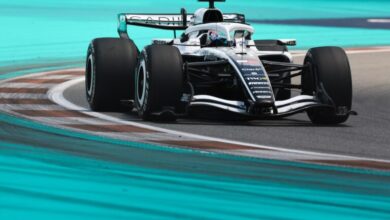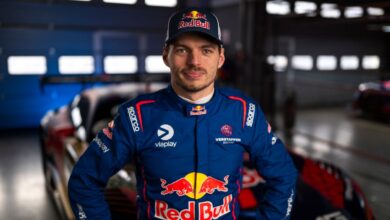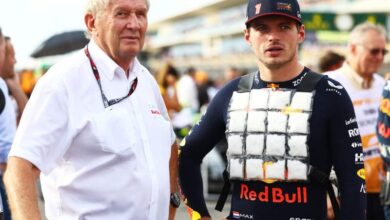
Although many of the stakeholders remain publicly in denial, it's clear Formula 1's latest technical regulations have displeased a broad section of the fanbase as well as attracting loud criticism from the drivers themselves.
The recent implementation of tweaks to the electrical deployment and harvesting regime, followed by confirmation of more extensive changes to come next season, represent a tacit admission that the basic philosophy of a near-50:50 mix of internal combustion engine power to electrical input is flawed.
Although F1 CEO Stefano Domenicali recently claimed "overtaking is overtaking", many fans and drivers aren't swayed by the quantity-equals-quality argument. Traditionalists particularly dislike the kind of unearned passing moves, which are dictated by differing levels of electrical charge rather than driver skill or bravery.
Among the drivers there is a widespread sense of resentment, fuelled by their warnings going unheeded. The 50:50 principle was agreed during high-level meetings involving F1's automobile manufacturers in the summer of 2022, but the drivers didn't have the opportunity to evaluate the effects in simulation until much later.
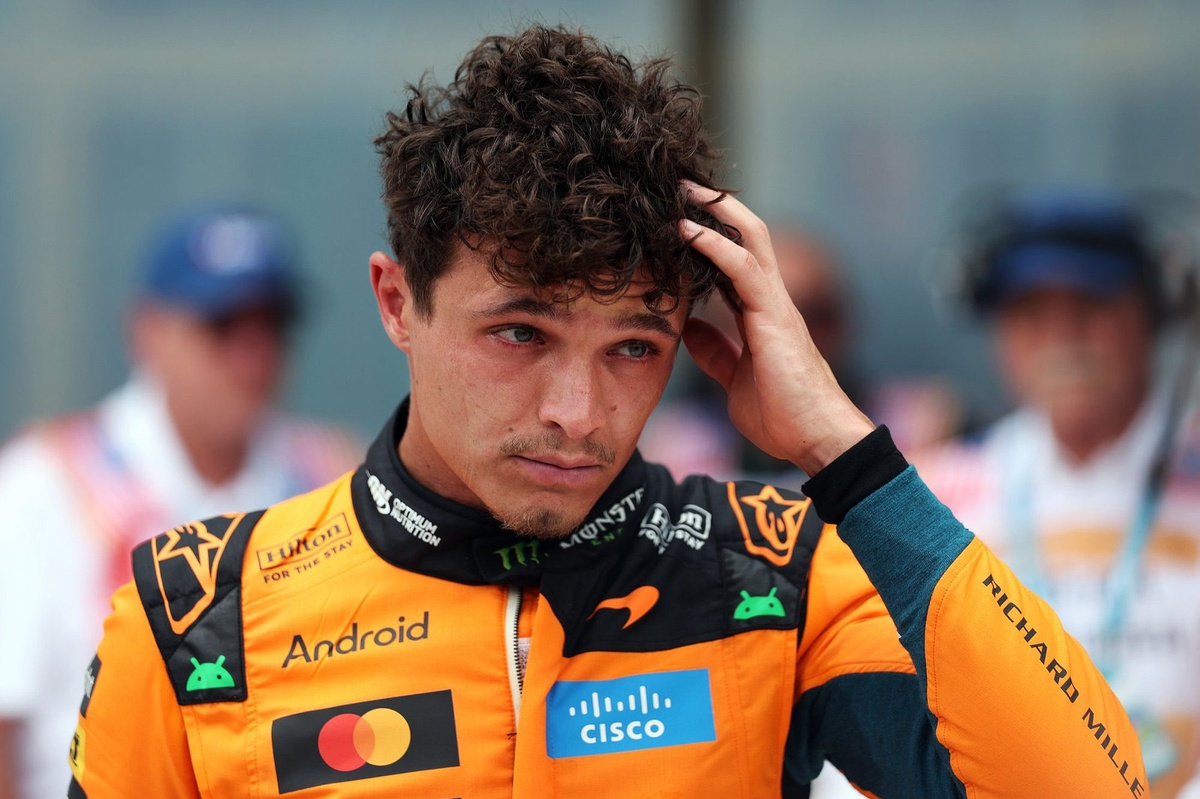
"Because of the bigger picture, because you have manufacturers and partners and teams and it's a business involved, then some things are not so simple." Lando Norris
Speaking ahead of the Miami Grand Prix, seven-time world champion Lewis Hamilton said it was high time drivers had "a seat at the table" when it came to setting the rules. Six drivers, including Hamilton's team-mate Charles Leclerc, were consulted over the pre-Miami rule tweaks – but this was essentially a case of being enlisted to help close the stable door long after its equine inhabitant had vacated the premises.
Defending world champion Lando Norris agreed with the principle of drivers having a voice over the longer term.
"We just have to give our input, honestly," he told select media, including Motorsport.com.
"We want the fans to have a great time, we want ourselves to have a good time. We also want F1 to be what we've always grown up seeing – just flat-out racing, which is not what we've had so far.
"And having good racing is not necessarily having someone at 100% battery and having someone on zero. You know, that's not how proper racing should be done. It should be done by trying to allow cars to follow closer by having less weight, better tyres, more resilient to kind of following issues and temperatures and things like that – not by implementing batteries and wings that do all of this stuff we're doing now."
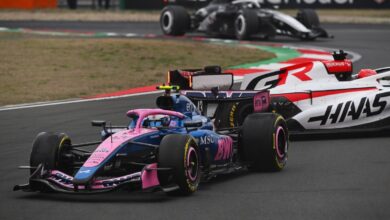
New rules have led to start-line dramas, and a style of 'yo-yo' racing which has polarised fans.
New rules have led to start-line dramas, and a style of ‘yo-yo’ racing which has polarised fans.
It has been acknowledged, albeit diplomatically, by the likes of Domenicali and FIA single-seater boss Nikolas Tombazis, that the current ruleset is a factor of the automobile manufacturers demanding greater electrification in F1 because that was the direction of travel for their industry in 2022. That picture has shifted in the intervening four years.
In the interim, the flawed 50:50 principle has been made to work through various sticking-plaster solutions including active aerodynamics, and arcane regulations dictating how much electrical power can be harvested or deployed in specific areas of the circuits.
"It can just be done in a slightly different way, and that's something that us drivers we're all wishing for in the future," continued Norris.
"But because of the bigger picture, because you have manufacturers and partners and teams and it's a business involved, then some things are not so simple.
"Hopefully over the next five years or so things can go a little bit more back to normality, and I think we can still create even better racing."
Next year, the balance of internal combustion power to electrical deployment will shift closer to 60:40, but essentially this is another sticking plaster to cover the limitations of what will be a modified version of the current hardware. Over the longer term, there are those including FIA president Mohammed Ben Sulayem who are pushing for a return to naturally aspirated V8 engines with a much smaller electrical component.
This is understood to be an object of contention for some of the manufacturers, chiefly Honda and Audi, whereas rivals with a bigger footprint in the US market – Ford and Cadillac – are more positive about the V8 concept.
The current formula is due to end at the end of 2030. And while the basic philosophy of the next one should be agreed this year, in order to give enough runway for development, Norris advocates taking a more considered view of the process this time around – to avoid another scenario in which the rules enter service in beta.
"What we want as drivers is also what will be better for the fans to see," he said.
"It's a business at the end of the day, so you have to balance the business side, which is obviously where we don't have a lot of say. But we're making progress with the FIA. I think they've done a good job in trying to improve things.
"The bigger things and the things we want more in the future are the things I want to take more time on."
Read Also:
How F1's planned 60-40 power split for 2027 will affect each manufacturer
Behind the debate over F1's future engines is a battle for control
Carlos Sainz isn’t “going to criticise it anymore” – but still says 2026 F1 rules are “not good enough"
To read more Motorsport.com articles visit our website.